
Insights



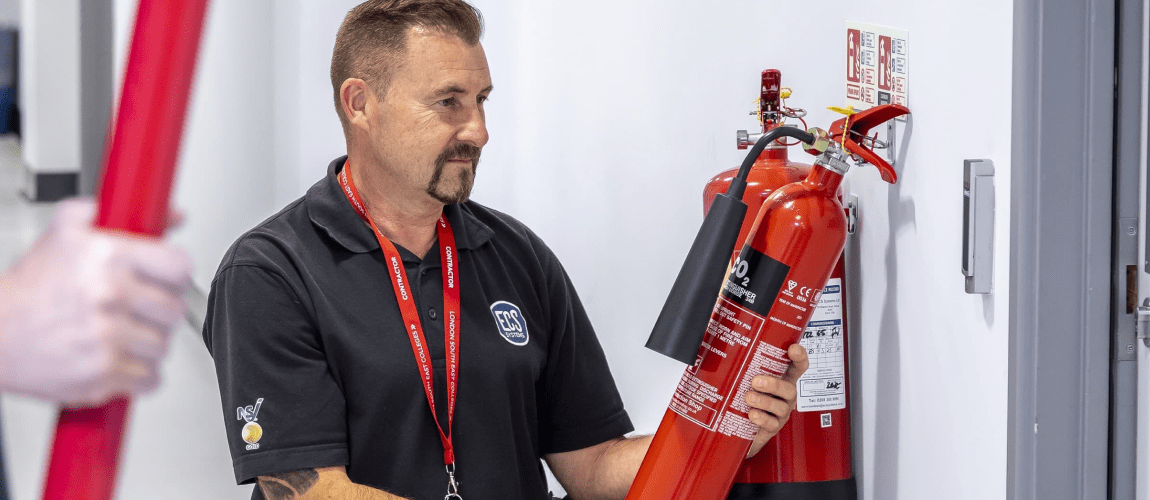
A fire risk assessment is one of the most important documents in any school or college estate. It should not be treated as paperwork that sits untouched in a folder. In educational buildings, it should be the foundation for the precautions that protect pupils, staff, contractors, visitors, and community users.
Schools present a wide mix of risks. One site can include classrooms, halls, kitchens, science rooms, workshops, plant spaces, offices, sports facilities, temporary buildings, and stores. Government guidance makes clear that fire risk assessments are the basis for identifying the general fire precautions needed in educational premises, and that schools should review them regularly.
For responsible persons, bursars, estates managers, and school business leaders, the key question is not simply whether a fire risk assessment exists. It is whether it is suitable, current, and detailed enough to reflect how the site is actually used today.
A fire risk assessment is a structured review of the fire hazards in the premises, the people who could be at risk, and the measures needed to reduce the likelihood of fire and protect life if one occurs. Under workplace fire safety law, the responsible person must carry out and regularly review a fire risk assessment, and keep a written record of it.
In a school setting, that assessment needs to consider more than a generic workplace. Educational buildings are used by children of different ages, teaching and support staff, contractors, parents, governors, hirers, and people who may have little familiarity with the site.
The responsible person is usually the employer, or the person who has control of the premises. In practice, that may be a governing body, academy trust, local authority, proprietor, or another duty holder with management control. Where responsibilities are shared, those duty holders need to cooperate.
A checklist can support routine checks, but a true fire risk assessment goes further. It should identify hazards, evaluate whether current precautions are adequate, record significant findings, and set out any remedial actions needed.
That matters in schools, where use of space changes quickly. A store may become a teaching room. A hall may be used for assemblies, exams, lettings, and performances. Temporary accommodation may remain on site for years. If the assessment does not reflect day-to-day reality, it quickly becomes less useful.
Schools have a clear duty to safeguard the people in their care, and fire safety is part of that duty. The Department for Education states that schools are required to undertake risk assessments to identify the general fire precautions needed to safeguard occupants in case of fire. Its estate management guidance also says schools of any height should consider reviewing their fire risk assessment annually, or at least every three years.
The importance of the assessment is not only about legal compliance. It is also about making sure that evacuation arrangements, fire alarm coverage, compartmentation, staff procedures, and maintenance regimes all make sense for the real conditions on site.
Educational premises must account for a wide range of occupants. Younger children may need closer supervision and clearer direction. Pupils with special educational needs or disabilities may need adjusted evacuation planning. Out-of-hours clubs and community use can introduce people who are less familiar with the building.
Unlike many single-use commercial properties, schools and colleges often combine very different functions. A classroom block, science laboratory, design and technology area, commercial-style kitchen, boiler room, and archive store may all sit within one estate. Each can present different ignition sources, fuel loads, and management challenges.
A suitable assessment should examine both prevention and protection. It should look at ignition sources, combustible materials, poor housekeeping, and risky processes. It should also examine escape routes, fire detection and warning, emergency lighting, signage, compartmentation, fire doors, training, drills, maintenance arrangements, and management procedures.
The assessment should consider whether occupants can reach a place of safety quickly and reliably. That means checking whether escape routes are clear, exits are usable, final exits open properly, and signage is suitable. It should also consider whether the fire alarm system provides adequate warning and whether emergency lighting supports safe movement if normal lighting fails.
If a route is routinely blocked by display boards, sports kit, exam furniture, or deliveries, that should be reflected in the findings. If an alarm system has recurring faults or a building extension has altered coverage needs, the assessment should identify that too.
Fire doors and compartment lines are critical in educational buildings because they protect escape routes and help prevent smoke and fire from spreading through busy premises. A fire risk assessment should consider whether doors close properly, whether seals and ironmongery are intact, and whether compartmentation has been compromised by later works, cabling, or poor repairs.
These spaces often deserve closer attention because they can present higher fire risk than standard classrooms. Kitchens, science areas, workshops, electrical intake rooms, plant spaces, cleaner’s cupboards, and poorly managed stores can all affect the overall strategy.
Government guidance for schools says they should consider reviewing their assessment annually, or at least every three years. Workplace fire safety guidance also requires regular review, particularly where there is reason to suspect it is no longer valid or where significant changes have occurred.
For many schools, an annual review is the most sensible approach because estates are rarely static. Timetables change, room uses change, maintenance issues emerge, and works may be carried out over school holidays. An annual review helps ensure the assessment remains current and gives leadership teams a regular opportunity to track outstanding actions.
Some changes should prompt an immediate review rather than waiting for the next planned cycle. Examples include extensions, major refurbishments, new temporary accommodation, changes in occupancy, alterations to escape routes, repeated alarm faults, or evidence that fire doors or compartmentation have been compromised.
Many recurring problems in schools are not dramatic; they are ordinary issues that have been allowed to become normal.
Fire doors are often wedged open for convenience, ventilation, or movement between spaces. In a school, that can happen in corridors, classrooms, offices, and shared areas. Once it becomes routine, the risk can be underestimated. A fire risk assessment should identify these behaviours and recommend realistic control measures.
A written assessment is only useful if the physical measures it relies on are maintained. Fire alarms, emergency lighting, extinguishers, door closers, signage, and passive fire protection all need inspection, testing, and maintenance. If the assessment assumes these elements are functioning but maintenance records tell a different story, compliance quickly weakens.
Educational estates are full of workarounds that stay in place longer than intended. Temporary storage appears in escape routes. Portable heaters remain in use. A room changes function without a full review. Fire risk assessments need to keep pace with these realities.
The best assessments do not stop at identifying deficiencies. They help schools prioritise action in a realistic way.
Not every issue will carry the same level of urgency. Some findings will require immediate action because they present a direct risk to life safety. Others may need to be programmed into planned maintenance. A useful fire risk assessment helps schools understand what must happen now, what should happen next, and how different remedial works relate to one another.
Schools benefit from a joined-up approach. If a risk assessment identifies alarm issues, fire door defects, compromised compartmentation, or poor management controls, the response should be documented, assigned, and tracked. ECS supports this wider compliance approach through fire risk assessments, fire alarm maintenance, fire door surveys, and practical remedial planning for educational buildings.
Many educational buildings benefit from external competence, especially where estates are complex, older, multi-building, or heavily occupied.
Competent external support should do more than produce a document. It should help schools understand the practical implications of the findings, prioritise actions, and connect the assessment to the physical systems and protections already in place.
Where schools operate across multiple buildings or sites, isolated reports can create fragmented compliance. Joined-up support makes it easier to coordinate surveys, alarms, fire doors, maintenance planning, and remedial actions under one fire safety strategy.
Fire risk assessments for schools and educational buildings are not just a legal requirement. They are the basis for understanding how a site really works, where the most significant risks lie, and what practical steps are needed to keep people safe.
For responsible persons and school estates teams, the key is to make sure the assessment is suitable, regularly reviewed, and tied to real action across alarms, escape routes, fire doors, compartmentation, housekeeping, and maintenance.
GOV.UK, Fire safety risk assessment: educational premises
GOV.UK, Workplace fire safety: fire risk assessments
GOV.UK, Fire safety in new and existing school buildings
GOV.UK, Good estate management for schools: health and safety
ECS Systems, Fire safety education and fire risk assessment support
Follow Us |

|

|

|
© ECS Systems 2026
ECS Systems Limited, 75 Station Rd, Sidcup DA15 7DN
|
|
|
|
© ECS Systems 2026